Why Personalized Learning Works Better Than Traditional Classrooms
Every student learns differently. Some students need more time to understand a topic, some move faster. Some do better when they can focus on one thing at a time, others need a quieter space, a flexible schedule, or a school model that works better with real life. That is why personalized learning is becoming such an important part of education innovation.
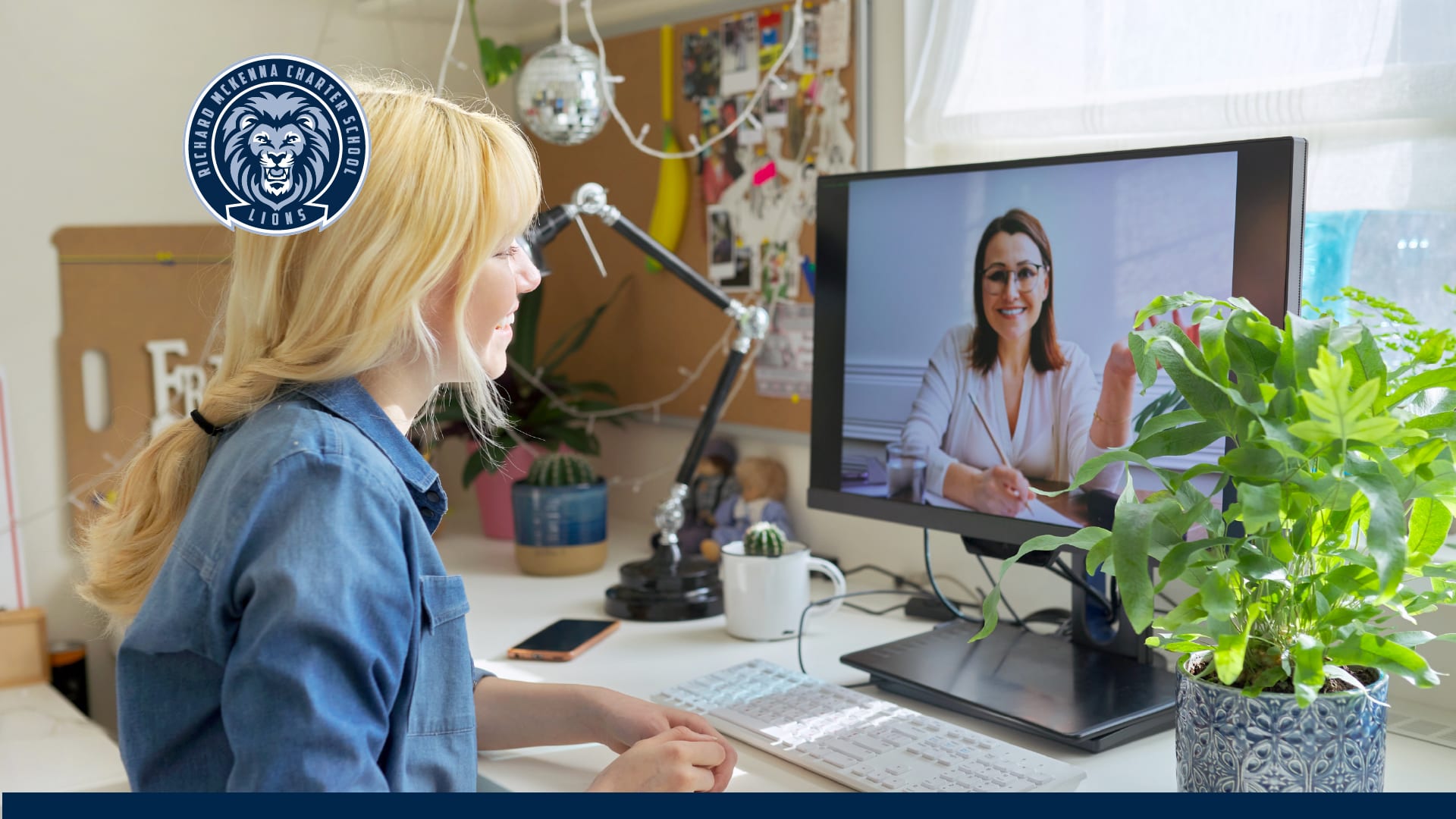
For many students, the traditional classroom model does not always fit. When learning is more personalized, students can feel more
confident, more engaged, and more in control of their progress. At Richard McKenna Online
Charter High School,
personalized learning is built into the school model. Students learn through asynchronous online courses, take only two courses at a time in
six-week blocks, and have the flexibility to work ahead while still meeting clear deadlines.
What Is Personalized Learning?
Personalized learning is an approach that gives students more flexibility in how, when, and where they learn. It does not mean students are left on their own. It means the learning experience is designed to better fit the student’s needs, pace, goals, and life.
In a personalized learning environment, students may have more control over their schedule. They can focus on fewer subjects at a time and get support from teachers in different ways, such as email, phone calls, video meetings, or office hours. The goal is simple: help students learn in a way that actually works for them.
Why Traditional Classrooms Do Not Work For All
In a typical classroom, students often move through the same lessons at the same pace. They follow a set daily schedule and take six, seven, or eight classes at once. For some students, this structure works well. For others, it can feel overwhelming. A student may be struggling with anxiety, balancing school with work, sports, family responsibilities, or health needs. Some students may simply need a different pace or a quieter learning environment.
When students feel overwhelmed, their student engagement can drop. They may stop participating, fall behind, or feel like school is something they just have to survive. Personalized learning helps change that. Instead of forcing every student into one model, it gives them a better chance to learn in a way that matches how they focus, grow, and succeed. Let’s see why personalized education works so well.
More Flexibility
Flexibility is one of the biggest reasons personalized learning works. Students are not always at their best during the same hours every day. Some focus better in the morning, others do their best work later in the day. While some students need to schedule school around work, family, sports, travel, or personal responsibilities.
At Richard McKenna Online Charter High School, courses are asynchronous. That means students do not have to meet with teachers and classmates at a certain time each day. They can participate in lessons and submit assignments at times that work better for them, while still staying accountable to course deadlines. This kind of flexibility can make school feel more manageable. Students still have expectations, assignments and deadlines. But they also have more room to build a routine that fits their life.
Also read: How Project Based Learning Helps Students Build Real World Skills
Focus On Fewer Classes At A Time
One of the hardest parts of traditional high school is the number of classes students have to manage at once. A student may go from math to English to science to history to electives, all in one day. Each class has its own homework, tests, projects, deadlines, and expectations. For students who already feel overwhelmed, this can be a lot.
Richard McKenna uses a “2 by 6” model where students take two courses at a time, and each course lasts six weeks. Instead of trying to balance seven or eight subjects at once, children can focus deeply on two subjects and see progress more often. With fewer classes to manage, students may feel less scattered. They can give more attention to each subject and build momentum by finishing a course and moving forward with a clearer sense of purpose.
Better Student Engagement
When school feels too fast, too rigid, or too overwhelming, students may disconnect. But when they have more control, more flexibility, and a clearer path forward, they often feel more motivated to participate. That is how personalized learning supports stronger student engagement. At Richard McKenna, students can work ahead and complete courses early. Because of the rolling enrollment model, they can begin their next course the very next Monday after completing a course, which can help them accelerate their progress toward graduation.
How Does Personalized Learning Help Students Feel More Confident?
Confidence grows when students experience success. For some students, traditional classrooms can make them feel like they are always behind. They may compare themselves to others, feel embarrassed to ask questions and struggle to keep up with multiple classes at once.
Personalized learning gives them a different path. They can focus, ask for help in ways that feel more comfortable and build better habits over time. They can take ownership of their schedule and their work.
At Richard McKenna, students can reach teachers through text message, email, phone calls, video conferencing, and teacher office hours. We also plan pop-up events where students can meet teachers and socialize with peers. Such support helps students remember they are not doing school alone.
Personalized Learning Builds Responsibility
Personalized learning gives students more freedom, but it also teaches them responsibility. Students have to manage their time, they have to meet deadlines, complete assignments and communicate when they need help.
These are important life skills. In college, careers, and adulthood, children will need to plan their time, solve problems, stay organized, and take initiative. A personalized learning environment can help them start building those habits now.
Richard McKenna’s model supports personal responsibility and academic success by giving students flexibility while still keeping clear expectations in place.
Also read: Top Benefits Of Choosing A Charter School In Idaho
Is Personalized Learning Right For Every Student?
Personalized learning can be a strong fit for many students, especially those who need more flexibility or a different kind of structure. It may be a good option for students who:
- Feel overwhelmed in traditional classrooms
- Need a more flexible school schedule
- Want to focus on fewer classes at a time
- Prefer online or independent learning
- Need to balance school with work, sports, health, or family responsibilities
- Want the ability to work ahead
-
Benefit from
project-based learning
However, personalized learning still requires effort. Students need to stay active in their courses, complete assignments, and ask for help when they need it. The right school model does not remove responsibility, it helps students build it.
Key Takeaways
Personalized learning works because it recognizes that students are different. Here are the main benefits:
- Students get more flexibility in how and when they learn.
- A focused course schedule can reduce overwhelm.
- Students may feel more engaged when learning fits their life.
- Flexible pacing can help students build confidence.
- Teacher support is still an important part of the learning experience.
- Students develop responsibility, independence, and time management skills.
- Education innovation helps schools better serve real student needs.
Want to learn more?
If you’re exploring a personalized, hands-on education that builds real-world skills, we’d love to help you learn more about our programs.
We’re also proud to be Cognia-accredited, so credits earned with us are widely accepted.
Want to learn more? Visit mckennaonline.org or call 208-269-1481 to get started. Apply today!
Frequently Asked Questions
How does personalized learning improve student engagement?
Personalized learning can improve student engagement by making school feel more manageable and relevant. When students have more flexibility and a clearer path forward, they are often more motivated to participate and complete their work.
Is personalized learning the same as online learning?
Online learning can be one form of personalized learning, but personalized learning can happen in different school settings. At Richard McKenna, online learning supports personalization through asynchronous courses, flexible pacing, and focused six-week course blocks.
Why is personalized learning better than a traditional classroom?
Personalized learning may work better for students who need more flexibility, less overwhelm, or a different pace. It allows students to focus on their progress instead of trying to fit into one standard classroom model.
How does Richard McKenna use personalized learning?
Richard McKenna uses asynchronous online courses, rolling enrollment, project-based curriculum, and a “2 by 6” model where students take two courses at a time for six weeks. This helps students focus, stay flexible, and work toward graduation with clear expectations.